adhesive to dry out or harden, making it less effective. To maintain strong adhesion, store tape in a cool, dry place and apply it to clean, smooth surfaces.
The Solution: Industrial-Grade Adhesives That Don’t Quit
If your tape is failing, you likely need a solution designed for “high-surface energy” or extreme environments. Here are the specific products that solve the most common “losing stickiness” issues.
The Problem The Specific Solution Why it Works Heat/Outdoor Use 3M VHB Mounting Tape (5952) Closed-cell acrylic foam that resists UV, heat, and cold. Heavy Loads Gorilla Tough & Wide Packing Tape Nearly double the thickness of standard tape; moisture resistant. Residue-Free Grip Gaffer Power Gaffer Tape Professional grade; won’t “melt” or leave goo even after heat exposure.
Does WD-40 Remove Tape Adhesive?– Safe & Effective Methods Explained
If you have ever asked Why does adhesive tape lose stickiness?, you are not alone. I have tested tapes in workshops, packaging lines, and on job sites. Small mistakes make big failures. In this guide, I explain what is happening, how to fix it fast, and how to keep tape sticky longer. You will get clear steps, pro tips, and real examples you can use today.
How pressure-sensitive adhesives actually stick
Why does adhesive tape lose stickiness? To answer that well, we need a quick look at how tape works. Most tape uses a pressure-sensitive adhesive, often called PSA. It is a soft, tacky polymer that flows a little under pressure.
When you press tape onto a surface, the adhesive “wets out.” It fills tiny dips in the surface. Good contact makes a strong bond. Three things matter most:
- Pressure. Firm, even pressure helps the adhesive spread and grab.
- Time. Bonds get stronger over hours as the adhesive flows and settles.
- Temperature. Warm tape flows better. Cold tape turns stiff and loses tack.
Engineers measure this with peel and shear tests, like ASTM D3330 and D3654. You do not need a lab to use the idea. Better wet-out means better stick.
Main reasons your tape stops sticking
Why does adhesive tape lose stickiness? It is rarely one cause. It is often a stack of small issues.
- Dust, lint, and grit block contact. A thin film of dust raises the adhesive off the surface. I have seen clear tape fail on a dusty plastic bin within seconds.
- Skin oils, lotion, and cooking grease poison the bond. Even a light fingerprint can cut tack. Clean hands help.
- Moisture and humidity add a slick layer. Water works like a barrier. Many rubber adhesives hate wet surfaces.
- Cold makes adhesive stiff. At low temps, it will not flow. Cold metal garages are a common trap.
- Heat softens and creeps. In a hot car, duct tape can ooze and slide. It feels gummy but does not hold.
- UV light and oxygen age the adhesive. Sun can crack and dry out the polymer. The surface turns dull and chalky.
- Low surface energy plastics fight adhesion. Polyethylene, polypropylene, and many powder coats are hard for tape to wet. They need special adhesives or primers.
- Rough or dusty drywall is tricky. Chalky paint and texture lower real contact area.
- Plasticizer migration from vinyl and rubber makes a greasy film. PVC cables and yoga mats can “sweat” to the surface over time.
- Old tape or bad storage. Edges dry out. Rolls block. The first wrap on a roll often takes the hit.
- Wrong tape for the job. Rubber-based masking tape outdoors in sun will fail. Acrylic foam inside cold freezers will also struggle.
Is Adhesive Tape Waterproof?– Types, Limits & Best Uses Explained
Quick tests to diagnose stickiness problems
Why does adhesive tape lose stickiness? A few fast checks tell you the cause.
- Clean half test. Wipe half the surface with 70–90% isopropyl alcohol. Apply one strip across both halves. If the clean side holds better, you had contamination.
- Warm-up test. Heat the tape and surface to room temp or a bit warmer. A hair dryer on low works. If tack jumps up, cold was the issue.
- Pressure test. Roll the tape hard with a spoon or roller. If it holds better, you needed more pressure.
- Dwell time check. Press and wait 24 hours. If the bond improves a lot, the adhesive needed time to wet out.
- Water drop clue. If water beads tight on the surface, it may be low surface energy. You may need a special tape or primer.
- Tape-to-tape peel. Stick two strips adhesive-to-adhesive, then peel. If it tears or stretches, the adhesive is likely fine. The surface may be the problem.
How to fix or boost tape stickiness right now
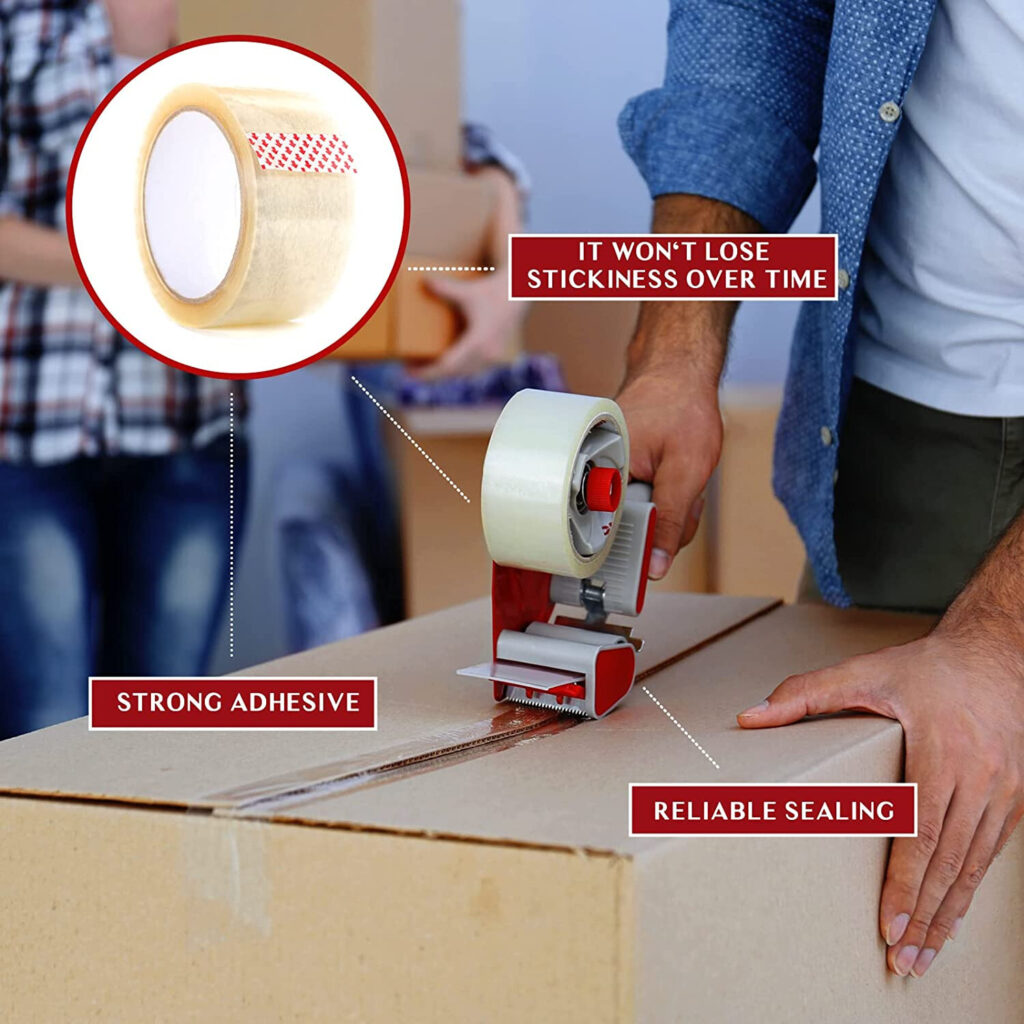
Why does adhesive tape lose stickiness? Often because the surface or the tape was not ready. Try these quick wins.
- Clean first. Use mild soap and water if dirty. Then wipe with isopropyl alcohol and let it dry.
- Dry the area. Make sure there is no water left. Moisture blocks bonds.
- Warm it up. Aim for 70–100°F. Warm tape wets out better and sticks faster.
- Press with purpose. Apply firm, even pressure for 5–10 seconds. Use a roller if you have one.
- Give it time. Bonds build over 24–72 hours. Avoid load during that time.
- Use the right helper. On low-energy plastics, use an adhesion promoter. On rough surfaces, use foam tape to bridge gaps.
- Round corners. Rounded tape tabs peel less than sharp corners.
- Back it up. For heavy loads, add a screw, clip, or zip tie. Tape is not for structural loads.
If the adhesive face is dirty, a light alcohol wipe can remove loose dust. Do not soak. If it smears or turns dull, the adhesive is done.
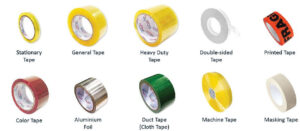
What Are the Different Types of Adhesive Tape? – Uses, Strength & Best Applications
Storage and handling to keep tape sticky
Why does adhesive tape lose stickiness? Bad storage is a common cause.
- Keep rolls in a cool, dry place. Room temp is best. Avoid sun and heat.
- Seal edges after use. Put the roll back in a bag or box to block dust.
- Store flat and upright. Do not crush the roll. Pressure warps it.
- Use first-in, first-out. Old rolls age. Rotate stock.
- Let cold tape acclimate. Bring it inside before use. Give it a few hours.
- Cut clean. Use sharp scissors. Ragged edges start peels.
Choose the right tape for the job
Why does adhesive tape lose stickiness? Often it is the wrong adhesive family.
- Rubber-based adhesives. High initial tack. Great on paper, cardboard, many plastics. Weaker against heat, UV, and solvents.
- Acrylic adhesives. Slower grab at first. Strong after cure. Better in sun, cold, and outdoors. Good on metals and glass.
- Silicone adhesives. Made for silicone, PTFE, and fluoropolymers. Also handle high heat.
- Foam acrylic tapes. Fill gaps, damp vibration, and bond uneven surfaces. Many act like structural tapes when used right.
- Painter’s and masking tapes. Low tack by design. Clean removal matters more than long-term hold.
Match the tape to the surface:
- High-energy surfaces like glass, steel, and painted metal are easy.
- Low-energy plastics like PE, PP, and powder coat need LSE-rated tape or a primer.
- Porous surfaces like raw wood or drywall may need a sealer.

Real-world lessons from the toolbox
Why does adhesive tape lose stickiness? Here are a few moments that taught me fast.
- The sanitizer surprise. On a packaging line, labels kept lifting. We found a thin film of hand sanitizer on cartons. A simple alcohol wipe fixed it at once.
- Winter fail on a truck badge. Foam tape would not hold in the cold. We warmed the metal and tape, then rolled hard. The badge stuck for years.
- Stage heat and gaffer tape. Duct tape turned gooey under lights. Gaffer tape held clean and came off without residue.
- Phone screen dust. One grain under a protector made a bubble. We used a strip of tape as a “lint lifter” first. The next try was perfect.
Each case started with a small barrier to wet-out. Remove the barrier, and the tape works like new.
Myths, safety, and when to stop pushing tape
Why does adhesive tape lose stickiness? Do not let myths steer you wrong.
- Freezing a roll does not restore dead adhesive. It only makes it stiffer.
- Water does not help tape stick. It blocks contact.
- Hairspray or glue on tape is messy and weak. Use the right tape instead.
Safety notes:
- Ventilate when using alcohol or primers. Avoid sparks and flames.
- Do not trust tape for fall protection or heavy loads.
- On painted drywall, test a small area first. Some paints lift.
When in doubt, choose the correct adhesive family or a mechanical fastener. Tape is powerful, but it has limits.
Frequently Asked Questions of Why does adhesive tape lose stickiness?
Does temperature really change how well tape sticks?
Yes. Cold makes adhesives stiff and less tacky. Warmth helps the adhesive flow and bond faster.
Can I clean and reuse a strip of tape that got dusty?
You can gently wipe off loose dust, but once oils or lint embed in the adhesive, performance drops. It is usually better to use a fresh piece.
Why does painter’s tape stop sticking to walls?
Walls can be dusty or damp, and some paints are low energy. Light pressure and old tape also reduce tack, so use fresh rolls and press well.
How long should I press tape for best adhesion?
Apply firm, even pressure for 5–10 seconds. Then let the bond build strength over 24–72 hours.
What is the best temperature to apply tape?
Most tapes like 70–100°F during application. After bonding, many acrylics handle wider ranges.
Can I make tape stick to silicone or PTFE?
Use a silicone adhesive tape made for those surfaces. Standard rubber or acrylic adhesives will not hold well.
Why does a brand-new roll sometimes feel weak?
Edges may have dried or picked up dust in storage. Discard the outer wrap and use the clean inner layers.
Will UV light ruin my tape?
Many rubber adhesives degrade in sun. Acrylic adhesives resist UV much better, so choose based on exposure.
Conclusion
Tape fails for simple reasons: poor contact, wrong conditions, or the wrong adhesive. Now you know how to spot the cause, fix it fast, and keep it from coming back. If you remember pressure, time, temperature, and clean surfaces, you will beat most tape problems.
Put one tip to work today. Clean the surface, warm the tape, and press with purpose. If this helped, share it with a friend, subscribe for more practical guides, or leave a question you want tested next.