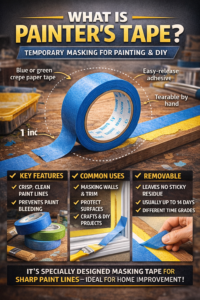
Wondering why is blue painters tape so expensive? Its higher cost comes from specialized adhesive that sticks well without damaging surfaces, and a durable paper backing that resists tearing and bleeding. This ensures clean paint lines, easy removal, and reliable performance—qualities that standard tape can’t match.
Why Is It So Much More Expensive?
| Feature | Why You Pay More | The Benefit to You |
| Gentle Adhesive | Formulated with low-tack, pressure-sensitive adhesives that don’t bond aggressively. | Won’t rip your fresh paint or drywall off when removed. |
| Residue-Free | Designed to peel off cleanly for days (or even weeks) without leaving sticky gunk. | No need for chemical cleaners or scrubbing adhesive off your trim. |
| Bleed Resistance | Many feature micro-barriers or “paint-block” technology to seal the edge. | Produces razor-sharp, crisp lines without paint seeping underneath. |
| Backing Quality | Made of denser, water-repellent paper fibers that resist wrinkling/tearing when wet. | The tape stays flat and maintains its integrity throughout the job. |
But there is more to the story. If you have ever wondered why is blue painters tape so expensive, you are not alone. I have spent years painting rooms, cabinets, and trim. I have tested many tapes in hot garages, damp basements, and tight timelines. In this guide, I break down the science, the cost drivers, and the real value so you can decide when to pay more and when to save.
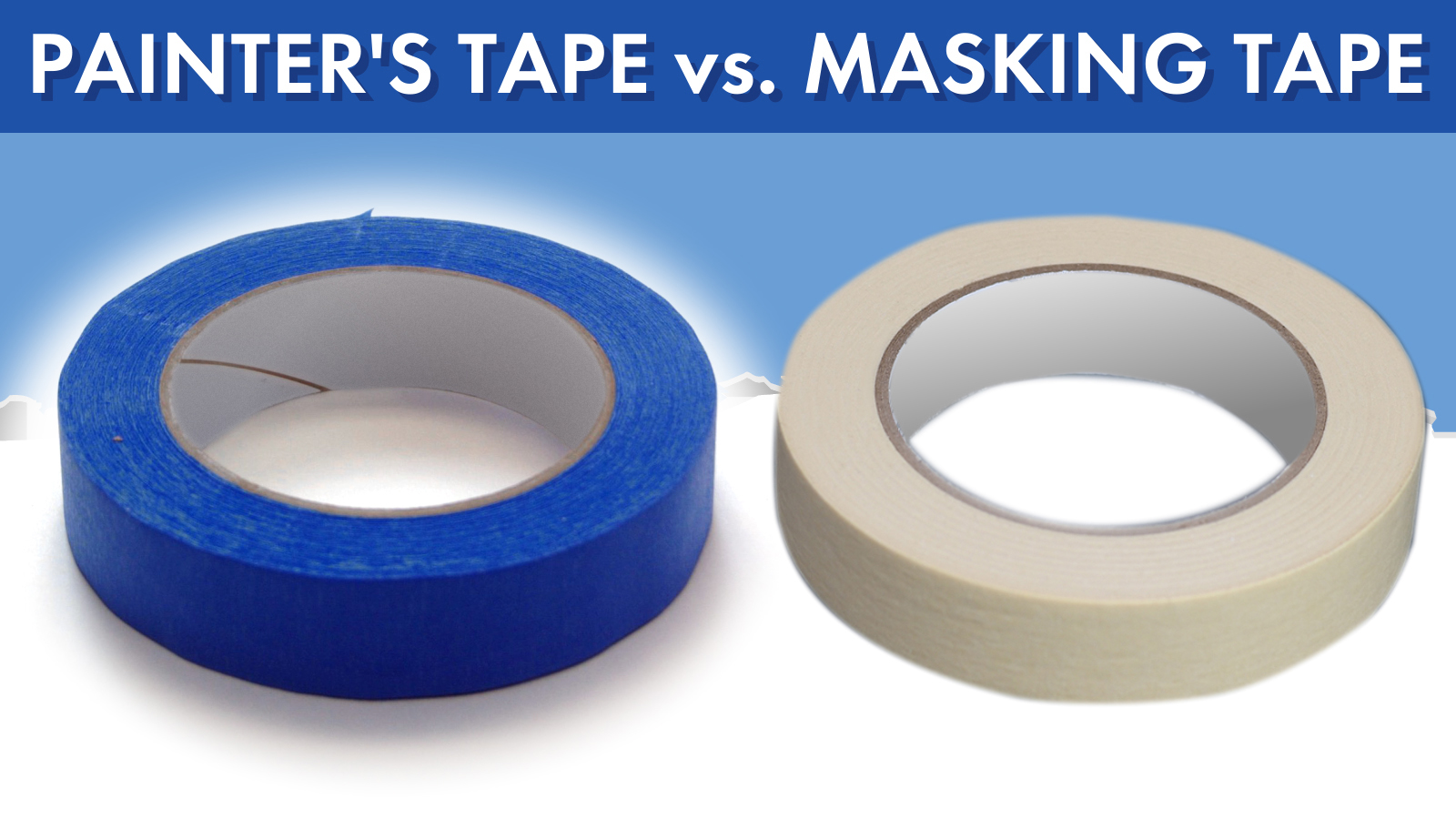
What makes blue painter’s tape different from regular masking tape
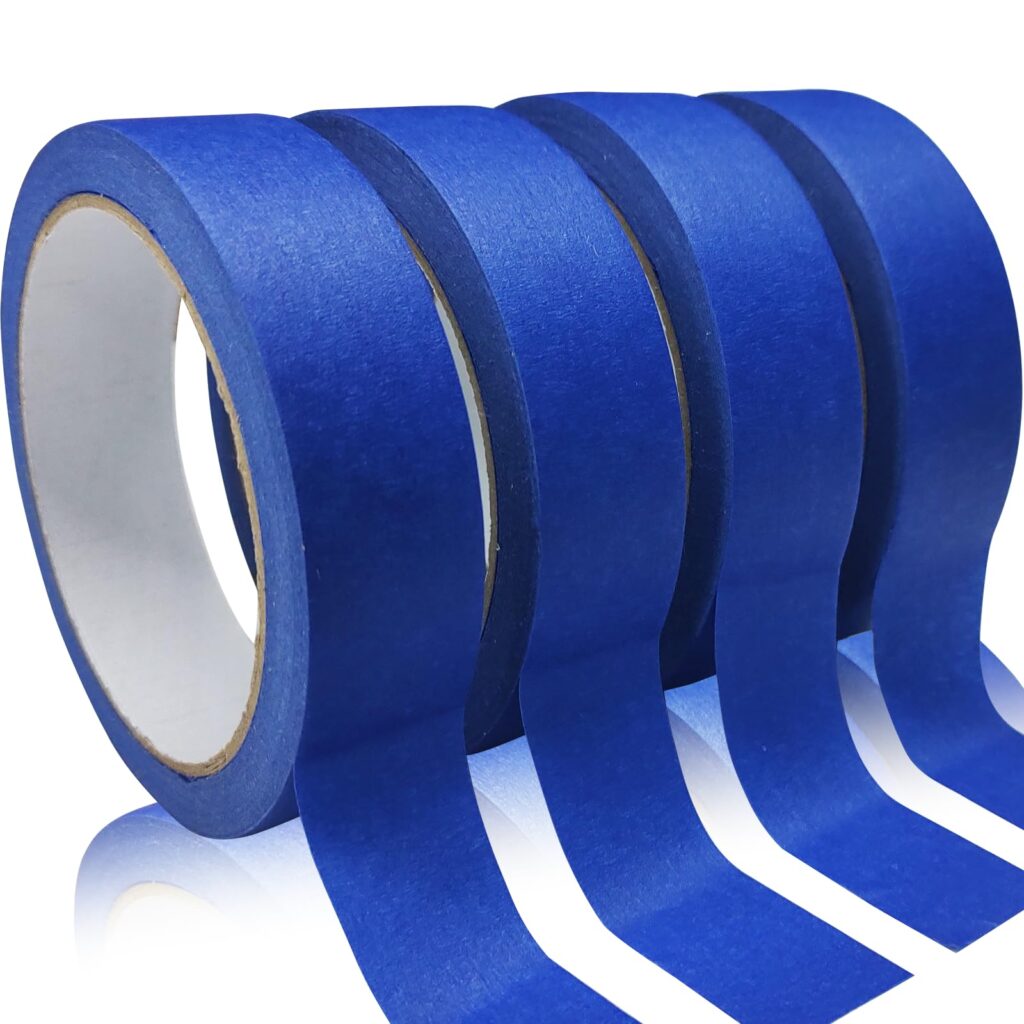
Blue painter’s tape looks simple. It is not. The backing is a treated crepe paper that resists moisture. It bends around corners but holds a crisp edge. The dye also helps with UV resistance and easy sight lines.
The adhesive is the real hero. Most blue tapes use an acrylic or hybrid adhesive. It sticks to drywall, wood, glass, and metal, then releases cleanly. It also holds steady under sun and fluctuating temps for days or weeks. This is why is blue painters tape so expensive compared to beige masking tape.
Quality brands add extra features. Some have a paint-block polymer that swells with latex paint and seals the edge. Others fine-tune tack for delicate surfaces. These steps cut paint bleed and tear-out. They also add cost.
The real cost breakdown: from raw materials to retail price
When people ask why is blue painters tape so expensive, I point to the full chain from plant to shelf. Every layer adds cost to protect your paint job.
Adhesive chemistry and curing
High-grade acrylic monomers and resins cost more than rubber-based glue. These systems resist UV, heat, and humidity. They are tuned for clean removal windows like 14, 21, or 60 days. The curing process needs tight controls to balance tack and release.
Backing paper and coatings
The paper is not plain. It is saturated and sized to stop bleed and tearing. Backsize and release coats let the roll unwind smoothly. Each pass on the coating line adds time, energy, and material.
Manufacturing, QA, and waste
Edge quality matters for sharp lines. Lines run at speed, but scrap is high if edges nick or coatings streak. Strong QA pulls out bad lots. Less waste for you means more waste absorbed by the factory.
Logistics, branding, and retail margins
Blue painter’s tape ships in many widths and lengths. That creates inventory risk and handling costs. Retailers take a margin for shelf space, returns, and promos. Big brands also invest in testing and support. That trust shows up in the price.
Why is blue painters tape so expensive compared to alternatives
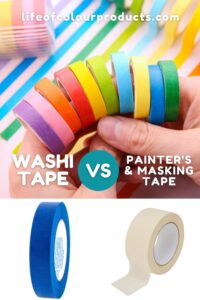
Let’s stack it up. Beige masking tape is cheap. It dries out fast, leaves residue, and can rip fresh paint. You might save a few dollars, then spend hours scraping glue and touching up walls. Washi-style tapes give sharp lines, but they cost even more and can be fragile on rough walls.
So why is blue painters tape so expensive? Because it prevents the failures that waste your weekend. Clean edges in one pass. No pulled paint. Easy removal after a week on a sunny window. When a gallon of paint, your time, and your trim are on the line, the tape cost is small.
Here is how I frame value:
- If a failure costs more than the tape, buy the better tape.
- If the job is short, low risk, and on a stable surface, use mid-grade blue.
- For cabinets, accent walls, and stripes, step up to edge-seal tech.
Is Painters Tape Flammable?– Fire Risk & Safety Explained
When to splurge vs save
I get this call a lot: why is blue painters tape so expensive, and do I really need it? My rule is simple. Match tape grade to risk.
Use premium blue tape when:
- Surfaces are fresh, delicate, or dark.
- Sunlight or heat may hit the tape for days.
- You need laser-clean lines on trim, stripes, or cabinets.
Use standard blue tape when:
- Walls are cured and smooth.
- The job is quick, like a half-day cut-in.
- You are masking broad areas with low bleed risk.
Save with alternatives when:
- You are masking floors or drop cloths, not paint lines.
- You will remove tape within hours in mild temps.
- You test a small section first and it releases clean.
My field notes: tests, tips, and mistakes to avoid
I once tried cheap masking tape on a sunny window to save a few bucks. It welded to the glass by day two. I spent an hour with a razor and solvent. That was the day I stopped asking why is blue painters tape so expensive and started asking what my time is worth.
Tips that work:
- Press the edge with a putty knife or a plastic card. This stops bleed.
- For fresh paint, wait at least 24–48 hours, or follow the paint label. Use delicate-surface blue if you must tape sooner.
- Remove at a 45-degree angle while the last coat is slightly tacky, or score the edge when dry.
- Label the roll with the date if you work in heat. Old tape can lose its magic.
- Test first on a hidden spot. Surfaces vary.
Common mistakes:
- Leaving tape on too long in direct sun.
- Using high-tack tape on flat latex walls.
- Stretching tape as you apply. It will lift and bleed.
Top-Rated Painter’s Tape Options In The Market
If you have a painting project, investing in these brands can save you hours of effort and provide a much cleaner finish.
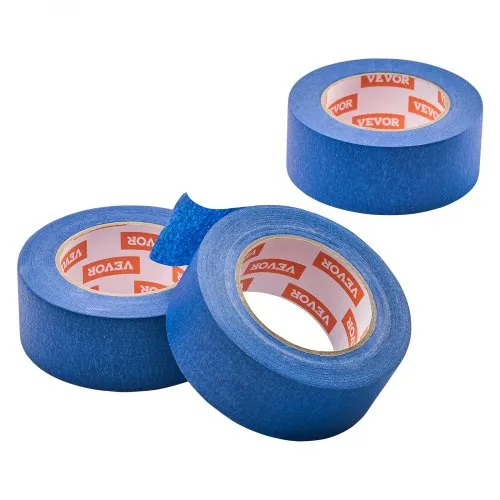
Product Why It’s a Favorite Best For… FrogTape Multi-Surface (Green) Uses patented PaintBlock Technology, which gels upon contact with water-based paint to create a micro-barrier that prevents bleed-through. Most interior/exterior surfaces, including walls, glass, and metal. ScotchBlue Original Multi-Surface The industry standard for consistent performance; it offers a reliable, medium-tack adhesive that is easy to apply and remove. General-purpose use on most home surfaces, including trim and baseboards. Scotch Delicate Surface (Purple) Engineered with a low-tack adhesive specifically designed to be gentle, ensuring it doesn’t peel away underlying paint or finishes. Wallpaper, freshly cured paint (24+ hours old), and delicate wood trim.
PAA-style quick answers
Does the blue color make it cost more?
The dye is minor. The cost comes from the adhesive system, paper treatments, and QA. The blue color helps visibility and can aid UV resistance.
Why is blue painters tape so expensive during peak seasons?
Demand spikes in spring and summer. Plants run at capacity, raw materials tighten, and retail promos shift mix. Shortages and freight also nudge prices up.
Can I reuse blue painter’s tape to save money?
No. Adhesive picks up dust and paint and loses tack. Reuse hurts edges and can cause bleed or failure. Fresh tape is cheap insurance.
Frequently Asked Questions of why is blue painters tape so expensive
Why is blue painters tape so expensive compared to beige masking tape?
It uses engineered adhesives and treated paper for clean removal and sharp edges. Beige masking tape is not built for UV, time, or delicate surfaces.
How long can I leave blue painter’s tape on a wall?
Most are safe for 14 days, some up to 60 days. Always check the label and test, since heat and sun shorten that window.
Is premium blue tape worth it for rental apartments?
Yes, if walls are fragile or just repainted. Clean removal avoids deposit disputes and extra touch-ups.
Does brand matter for blue painter’s tape?
It does. Top brands invest in adhesive research, tight QA, and edge-seal tech. Off-brand rolls can work, but expect more variance.
How do I get crisp paint lines with blue tape?
Clean the surface, apply with firm pressure, and seal the edge. Remove at a 45-degree angle and score if fully dry.
Conclusion
Blue painter’s tape costs more because it does more. It balances stick and release, fights UV and heat, and delivers clean lines that save time and paint. If you keep asking why is blue painters tape so expensive, weigh the price against the risk of fixes and delays.
Use the right grade for the job, test before you commit, and treat the edge with care. Try a side-by-side test on your next project and see the difference. If this helped, subscribe for more practical paint tips, or drop your questions in the comments.