Bed bugs are tiny insects that cause a lot of stress in homes and hotels. You may have heard that duct tape can help catch these pests. But does this really work? Let’s look at whether duct tape is a reliable tool for catching bed bugs, how it compares to other methods, and what you should know before trying it.
Duct Tape Can Catch Bed Bugs—but It’s Not Foolproof
Yes, duct tape can catch bed bugs. The sticky surface is able to trap crawling insects, including bed bugs, especially if they walk directly onto the tape. Many people use duct tape as a quick, cheap way to check if bed bugs are present or to stop them from climbing onto beds or furniture.
However, duct tape is not a perfect solution. Some bed bugs can escape, especially if the tape loses stickiness or if dust gets on it. Also, duct tape does not kill bed bugs or stop an infestation. It can only catch a small number, mostly the ones that walk across the tape.
Let’s explore how duct tape works, when it might help, and its real limits.
How Duct Tape Traps Bed Bugs
Duct tape is made to stick to many surfaces. If you put the tape sticky-side-up near bed bug hiding places, any bugs that crawl over it can get stuck. Bed bugs do not jump or fly—they crawl. That’s why sticky surfaces can be effective traps.
Here are some common ways people use duct tape for bed bugs:
- Placing strips around bed legs or furniture legs to block bugs from climbing up
- Lining the floor near walls, beds, or baseboards
- Wrapping tape around pipes or wires where bed bugs might travel
Still, there are some things to remember:
- Bed bugs can sometimes walk over the tape if it loses stickiness.
- Adult bugs are heavier and may get stuck more often than tiny nymphs.
- If the tape is placed poorly, bed bugs can find other paths.
Comparing Duct Tape To Other Bed Bug Traps
Is duct tape the best sticky trap for bed bugs? Not always. There are many kinds of traps, and each has its strengths and weaknesses.
Let’s compare duct tape with other common bed bug traps:
| Trap Type | How It Works | Effectiveness | Cost |
|---|---|---|---|
| Duct Tape | Sticky surface traps crawling bugs | Low to moderate | Low |
| Commercial Sticky Traps | Special glue, designed for insects | Moderate to high | Low to medium |
| Interceptor Cups | Plastic cup under bed legs; bugs fall in and can’t escape | High (for monitoring) | Medium |
| Heat or CO₂ Traps | Attract bugs with heat or carbon dioxide | High (for detection) | High |
Non-obvious insight: Commercial traps use glue formulas made for insects, which are less likely to dry out or lose stickiness. Duct tape can dry fast, especially in dusty or humid rooms.
Practical Ways To Use Duct Tape Against Bed Bugs
If you want to try duct tape, here are some steps you can follow:
- Choose the right tape: Not all duct tape is equal. Some brands are stickier than others. Try to use a fresh, strong tape.
- Clean surfaces first: Dust and dirt can quickly make tape useless. Wipe down the area before placing tape.
- Place tape sticky-side-up: Lay long strips near bed legs, baseboards, or other places you see bugs.
- Check and replace often: Duct tape loses stickiness after a few days, especially if it catches dust or pet hair.
- Seal and throw away used tape: Carefully fold the tape to trap any bugs inside before throwing it out.
Remember, duct tape is only good for spot catching or checking if bed bugs are present. It will not remove a full infestation.
Why Duct Tape Alone Is Not Enough
Many people hope for a quick fix, but duct tape cannot solve a bed bug problem alone. Here’s why:
- Bed bugs hide well: These insects live in cracks, behind walls, inside furniture, and in mattresses. Duct tape only catches bugs that walk on it.
- Eggs and nymphs: Duct tape does not catch eggs. Young bugs (nymphs) are very small and might escape.
- Smart bugs: Over time, bed bugs may learn to avoid sticky surfaces, especially if they sense danger or smell trapped bugs.
Non-obvious insight: If you rely only on duct tape, you may miss the root of the problem. Bugs can live for months without food and hide in places tape can’t reach.
Limitations And Risks Of Using Duct Tape
While duct tape can help a little, it has some drawbacks:
- Messy residue: Tape glue can stick to floors or furniture, leaving marks that are hard to clean.
- Not pet- or child-safe: Pets or small children might touch or play with the tape, causing a mess or getting stuck.
- False sense of security: Catching a few bed bugs on tape does not mean your problem is gone.
| Limitation | Impact | Workaround |
|---|---|---|
| Sticky residue | May damage surfaces | Test on small area first |
| Loss of stickiness | Less effective over time | Replace tape every few days |
| Safety concerns | Risk to pets/kids | Keep out of reach |

When Duct Tape Might Be Useful
Even though duct tape is not a solution for full control, it can help in these situations:
- Checking for bed bugs: If you suspect bed bugs but aren’t sure, tape can help you confirm their presence.
- Temporary barrier: While waiting for pest control, tape can slow down bugs from climbing bed legs.
- Monitoring: You can see if the problem is getting better or worse by checking trapped bugs.
For large infestations, professional help is best. Duct tape may miss many bugs, so do not rely on it alone.
Better Ways To Control Bed Bugs
If duct tape is not enough, what really works? Here are more reliable solutions:
- Professional pest control: Experts use heat, chemicals, or steam to kill bed bugs where they hide.
- Interceptor cups: Place these under bed legs. They trap bugs trying to climb up or down, and are easy to check.
- Vacuuming: Regular vacuuming of mattresses, cracks, and carpets removes bugs and eggs.
- Laundering: Wash bedding and clothes in hot water (at least 60°C/140°F) to kill all life stages.
- Decluttering: Remove piles of clothes, books, and other hiding spots.
- Sealing cracks: Use caulk to close gaps in walls and furniture.
Experience tip: Always combine multiple methods for best results. No single tool will clear an infestation.
Common Myths About Duct Tape And Bed Bugs
Many people believe duct tape is a “magic bullet.” But there are some myths to avoid:
- Myth: “If I don’t see bugs on the tape, I don’t have bed bugs.”
Fact: Bed bugs can avoid tape, or travel in other ways.
- Myth: “Duct tape kills bed bugs.”
Fact: The tape only traps; it does not kill instantly.
- Myth: “Tape can stop all bugs from climbing my bed.”
Fact: Bed bugs can sometimes find other routes, such as walls or blankets touching the floor.
Scientific Evidence On Duct Tape For Bed Bugs
Research shows that sticky traps can catch bed bugs, but commercial traps are more reliable. In one study, commercial glue traps caught more bugs than home-made sticky traps like duct tape. The main reasons: commercial traps keep their stickiness longer and are designed for insect movement.
Also, experts from places like the U.S. Environmental Protection Agency (EPA) say that sticky traps are only useful for monitoring. They are not a cure. For more, see the EPA’s advice on do-it-yourself bed bug control.
Smart Tips For Using Duct Tape If You Must
If you still want to use duct tape, these tips can improve results:
- Always use new tape and change it every 2–3 days.
- Place tape in the dark or hidden places where bugs travel.
- Check tape in the morning (bed bugs are most active at night).
- Wear gloves when handling used tape.
- Never put tape where pets or children can reach.
When To Call A Professional
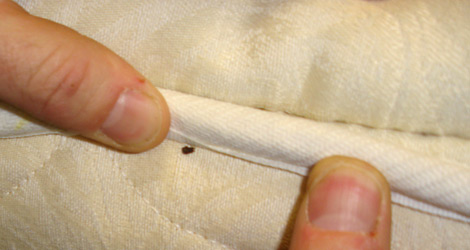
If you catch even one bed bug, act quickly. Bed bugs multiply fast—a single female can lay up to 500 eggs in her lifetime. If you see more bugs, bite marks, or blood spots on bedding, call a pest control expert.
Duct tape is not enough for serious infestations.
Frequently Asked Questions
Can Duct Tape Completely Remove Bed Bugs?
No, duct tape can only catch a few bugs that walk over it. It cannot remove eggs or bugs hiding deep in furniture or walls. For full removal, professional treatment is needed.
How Long Does Duct Tape Stay Sticky For Catching Bed Bugs?
Usually, duct tape stays sticky for 1–3 days. After that, dust and air make it less effective. Change tape often for better results.
Is Duct Tape Better Than Commercial Bed Bug Traps?
Commercial traps are usually better. They use special glue that lasts longer and is less likely to dry out. Duct tape is cheaper, but not as effective for large problems.
Can Bed Bugs Crawl Off Duct Tape?
Sometimes, yes. If the tape is old or dirty, or if the bug is very small, they might escape. Fresh tape works better.
What Should I Do If I Find Bed Bugs On Duct Tape?
Carefully fold the tape to trap the bugs inside, then throw it away in a sealed bag. Clean the area and consider calling a pest control expert.
Using duct tape to catch bed bugs can help you spot a problem early. But remember, it’s not a full solution. For serious infestations, combine several methods and get professional help. Duct tape is just a small tool in the fight against bed bugs—use it wisely, and don’t rely on it alone.