Use small, sharp grooming scissors to cut KT tape safely and cleanly. These tools give you the control needed to trim strips without damaging your skin or the adhesive. The best choice depends on whether you need precision for tight spaces or speed for large areas. Your specific activity level and skin sensitivity will decide which type works best for you.
Who needs these scissors for KT tape
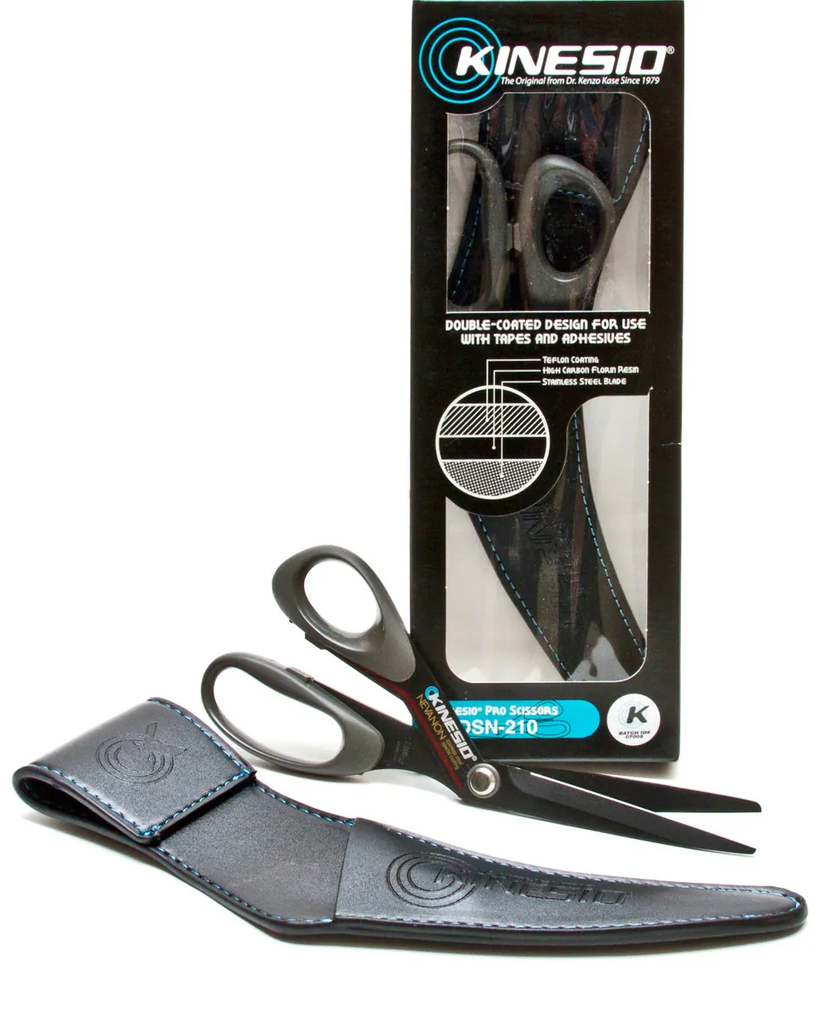
Athletes and physical therapy patients often search for the right tool to manage their tape. Some people apply tape daily and need durable steel blades that stay sharp. Others only use it occasionally for minor strains and prefer cheap, disposable options found in first aid kits.
This guide serves active users who apply tape regularly and need reliable cuts every time. It isn’t for casual users who just need a quick fix with whatever is handy. If you only tape once a month, standard household scissors might work, but they often pull the material. Regular users need dedicated tools to avoid frustration and wasted tape.
Best Scissors To Cut KT Tape: Tested 7 Best Scissors for Cutting Kinesiology Tape
What changes your cutting result
Blade length determines how much control you have over the cut. Short blades under two inches allow precise trimming around joints like ankles or wrists. Longer blades move faster but can snag the sticky backing if your hand shakes. Sharpness matters more than brand name because dull edges tear the fabric instead of slicing it.
A torn edge peels off sooner, reducing the tape’s support when you need it most. Many people mistakenly use old paper scissors, which crushes the fibers and ruins the strip. Check your blades by slicing a thin piece of paper; if it tears, replace them. Stainless steel holds an edge longer than plastic handles found on cheap trauma shears.
How to cut the tape safely
- Wash and dry your hands thoroughly to prevent slipping while holding the scissors.
- Hold the KT tape strip taut with one hand, keeping fingers away from the blade path.
- Position the scissor tips at a 45-degree angle to the edge you want to trim.
- Make short, snipping motions rather than one long cut to maintain control.
- Stop cutting immediately if you feel resistance or hear a tearing sound.
- Round off any sharp corners on the tape to prevent them from catching on clothes.
- Wipe the blades with alcohol after each use to remove adhesive buildup.
- Store the scissors in a dry place to prevent rust on the metal parts.
The single judgment call here is knowing when to stop cutting before you reach the skin. If the tape sticks to your leg, don’t try to slide the scissors underneath it. Pull the tape away slightly to create a gap, then cut the loose end. Trying to cut tape directly against skin risks a painful nick that requires a bandage.
Cutting scenarios compared
Different situations require different tools to get the job done right. The table below shows which scissors fit common needs based on precision and cost.
| Situation | Best Tool | Effort Required | Watch For |
|---|---|---|---|
| Trimming around ankles | Small grooming scissors | Low precision | Pinching skin |
| Cutting long strips | Standard office scissors | Medium speed | Jagged edges |
| Emergency field use | Trauma shears | High durability | Blunt tips |
| Detailed joint work | Cuticle nippers | High control | Rust buildup |
| Bulk preparation | Rotary cutter | Low effort | Blade safety |
| Travel kits | Folding safety scissors | Medium convenience | Loose hinges |
Details experts get right
Blade maintenance habits
Experienced users clean their blades after every session to keep the edge smooth. Adhesive residue builds up quickly and makes the next cut uneven or sticky. They wipe the metal with rubbing alcohol or a specialized adhesive remover spray. Beginners often ignore this step until the scissors stop working entirely. Clean blades slice through the fabric effortlessly, while dirty ones drag and distort the shape.
Angle and tension control
Professionals hold the tape tight but never stretch it while cutting. Stretching the material causes it to shrink back after the cut, making the strip shorter than planned. They keep the scissors perpendicular to the tape surface for a clean cross-section. Novices often pull the tape too hard, resulting in uneven lengths that don’t fit the muscle group. Consistent tension ensures the strip stays exactly where you placed it during application.
Common cutting problems fixed
When things go wrong during cutting, the cause is usually simple to identify. The table below matches common issues with their likely causes and immediate fixes.
| What you notice | What it usually means | What to do first | How to stop it happening again |
|---|---|---|---|
| Tape tears unevenly | Dull or damaged blades | Replace scissors immediately | Test on paper first |
| Blades stick together | Adhesive buildup on metal | Wipe with alcohol | Clean after every use |
| Skin gets nicked | Loss of control or focus | Apply pressure to stop bleeding | Use shorter snips |
| Corners curl up | Cut angle was too steep | Trim corner into a round shape | Cut at 45 degrees |
| Strip feels too short | Tape stretched while cutting | Measure next strip before cutting | Hold tape without pulling |
8 Best Scissors For Cutting Double Sided Tape: Mess-Free Cuts
Safety rules for sharp tools
Medical guidelines suggest using blunt-tipped scissors when working near sensitive areas. The Centers for Disease Control and Prevention recommends proper hygiene when handling tools that touch skin. You can read more about infection control practices on their official website to ensure your tools remain safe.
Always keep scissors out of reach of children to prevent accidental injuries. Never run with scissors in your hand, even if they’re small grooming types. If a tool becomes damaged or bent, discard it rather than trying to force a cut. Proper storage prevents accidents and keeps the blades ready for the next use.
Real costs of the wrong choice
Buying the wrong scissors costs you more in wasted tape than the price of good tools. A pair of quality grooming scissors is inexpensive relative to the alternative. Cheap plastic shears might break after a few uses, forcing you to buy replacements often.
Poor cuts ruin expensive rolls of KT tape, adding up to significant waste over a season. Time lost fixing bad cuts or reapplying slipped tape is another hidden cost. Investing in a dedicated pair saves money and frustration in the long run. Check local sports stores or online retailers for current prices on stainless steel options.
Keeping your scissors ready
Store your scissors in a protective case or pouch to keep the blades sharp, but never toss them into a drawer where they can knock against other tools. Moisture causes rust on steel, so always dry them completely with a lint-free cloth before putting them away, paying special attention to the hinge area where water often hides.
Check the hinge screw occasionally to ensure it’s tight and the blades align perfectly without gaps. If the action feels loose or gritty, tighten the screw slightly or apply a single drop of lightweight oil directly to the pivot point. Wipe away any excess oil immediately to prevent dust from sticking to the blades.
Replace the pair when the blades no longer meet evenly at the tips, creating a gap that tears tape instead of cutting it cleanly. There’s no set schedule for replacement; watch for performance drops like jagged edges or increased hand strain instead. Sharp tools make the entire taping process faster and safer for everyone involved, reducing the risk of accidental slips during critical moments.
When not to use scissors
Don’t use scissors if the tape is already stuck firmly to hairy skin. Pulling the skin taut to cut underneath can cause painful tears or bleeding. In this case, peel the tape back gently from the edge instead of cutting it. Trying to force blades under tight adhesive often slices the top layer of skin right off, leaving a raw patch that takes days to heal.
Avoid using scissors if you’re shaking or tired, as loss of control leads to injury. If your hand trembles even slightly while holding sharp points near an artery or vein, put the tool down immediately and wait until you have rested.
If the tape is wet or covered in sweat, wait until it dries before trimming. Wet tape slips easily and increases the risk of cutting yourself accidentally. Moisture makes the material slide away from the blade tip, causing the scissors to jump forward into soft flesh rather than snipping cleanly through the strip.
For deep wounds or severe injuries, seek professional medical help instead of self-taping. Attempting to trim around complex lacerations without sterile training introduces bacteria directly into the wound bed, turning a manageable injury into a serious infection requiring hospital care.
Frequently asked questions
Can I use regular paper scissors?
Yes, but only if they’re very sharp, otherwise they will tear the tape fabric. Dull paper scissors crush the fibers, causing the edges to peel off quickly during movement.
How long do good scissors last?
Quality stainless steel scissors last several years with proper cleaning and dry storage conditions. Plastic handles may crack sooner, but the metal blades usually remain functional for a long time.
Is it safe to cut near skin?
It’s safe if you use blunt-tipped scissors and keep the skin pulled tight away from blades. Never slide sharp points under tape that’s adhered directly to the body surface.
What happens if I cut dull tape?
The tape edge will fray and lose its grip, causing the strip to fall off early. Frayed edges also catch on clothing, pulling the whole application loose prematurely.
Does blade size matter much?
Yes, smaller blades offer better control for detailed work around complex joints like knees. Large blades are faster for straight lines but harder to maneuver in tight spots.
Why does my tape tear when cutting?
This usually means your scissors are dull or have adhesive gumming up the blade edges. Clean the blades thoroughly or replace the pair to get clean cuts again.
Next steps for better cuts
Start by grabbing a pair of small, sharp grooming scissors from your bathroom cabinet today. You should expect clean, effortless cuts that leave smooth edges on your tape strips. Stop immediately and reassess your tool if you feel any dragging or tearing of the material.
Dull blades often crush the adhesive before slicing through, creating jagged ends that catch on skin later. If your scissors struggle to slice a single sheet of printer paper cleanly, they’re too blunt for precise tape work. Replace them or sharpen the edges before attempting another cut to avoid wasting expensive medical supplies.
For thick kinesiology rolls, switch to heavy-duty shears only when the material exceeds two millimeters in depth. Thin athletic tape requires the lighter grooming variety to prevent accidental over-cutting into the backing layer. Keep a dedicated pair solely for this task so food residue or hair clippings never compromise the blade’s edge during your next application.