Cello tape is thin clear office tape; adhesive tape is the broad category. Choose cello tape for light, clear, everyday tasks, and specialized adhesive tape for heavy-duty jobs.
If you have ever asked about adhesive tape vs cello tape, you are not alone. I work with tapes daily in offices, warehouses, and home projects. This guide breaks down the terms, the materials, and the real use cases. You will learn how to pick the right tape fast and avoid sticky mistakes. Read on for a clear, expert take on adhesive tape vs cello tape that cuts through the confusion.
What do people mean by adhesive tape vs cello tape?
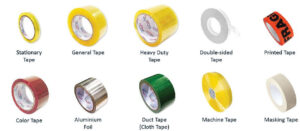
Adhesive tape is any tape with a stick-on side. It includes packing tape, duct tape, masking tape, double-sided tape, and more. Cello tape is a common term for clear, thin office tape on a small dispenser.
In most stores, cello tape is a clear BOPP (biaxially oriented polypropylene) or cellophane film with a pressure-sensitive adhesive. It tears or cuts cleanly and works for light tasks. When people compare adhesive tape vs cello tape, they often mean general-purpose tapes vs the small clear tape used on desks.
Here is the simple way to see it:
- Adhesive tape is the big family.
- Cello tape is one small member, used for light sealing, gift wrap, and quick fixes.
In the adhesive tape vs cello tape debate, think scope vs a specific type. One is the category. The other is a common item within it.
Materials and adhesive chemistry explained
It helps to know the parts:
- Backing film. Cello tape often uses BOPP or true cellophane (regenerated cellulose). BOPP is strong, cheap, and clear. Cellophane is plant-based, crisp, and can yellow with age.
- Adhesive types. Rubber-based sticks fast and strong, even on low-energy surfaces, but can yellow. Acrylic is clear, resists UV, and ages well, but can feel less tacky at first. Hot-melt rubber sits between, with high tack and good speed.
For office cello tape, you often get a BOPP film with a rubber or acrylic adhesive. For other adhesive tapes, the backing and glue vary by job: duct tape uses PE-coated cloth with rubber; masking tape uses crepe paper with rubber; high-temp tapes use silicone adhesives.
The chemistry matters. It sets tack, peel strength, shear strength, clarity, noise, and how cleanly it removes.
Best Adhesive Tapes For Electronics Manufacturing: 5 Adhesive Tapes for High-Precision PCB Assembly
Key differences you can feel and measure
When comparing adhesive tape vs cello tape, these traits stand out:
- Film thickness. Cello tape is thin, often 18–25 microns for BOPP versions. Heavy-duty packing tapes run 28–40+ microns and feel stiffer.
- Tack and peel. Rubber-based cello tape grabs fast. Acrylic clear tapes build strength over time and resist yellowing.
- Clarity and finish. Cello tape is very clear for gift wrap and labels. Many packing tapes are clear too, but some look slightly hazy.
- Noise. Hot-melt and some acrylic tapes can be loud off the roll. Office cello tape is usually quiet.
- Temperature range. Acrylic tapes hold better in heat and cold. Rubber-based cello tape can soften in heat and get brittle in deep cold.
- UV and aging. Acrylic stays clear and resists yellowing. Rubber can darken or leave residue with age.
- Strength. Wider, thicker packaging tapes have higher tensile and shear strength than typical cello tape.
- Removability. Cello tape is easy to remove from paper and plastic, but may tear paper. Specialty removable tapes are made for clean lifts.
If you need serious hold on cartons or rough surfaces, go broad: pick a strong adhesive tape. If you need neat, clear seals on paper or plastic, cello tape shines.
Best uses for each tape
Use cello tape when:
- Sealing gift wrap and light parcels.
- Fixing torn paper or labels.
- Mounting lightweight items, like photos or notes.
- Tidying small cables on a desk for a short time.
Use other adhesive tapes when:
- You seal shipping cartons or move boxes. Choose packaging tape with acrylic or hot-melt adhesive.
- You paint walls or trim. Use masking tape or painter’s tape to avoid residue.
- You need strong hold on fabric, tarps, or rough plastic. Pick duct tape.
- You need clean-looking labels or lamination edges. Use clear acrylic packaging tape.
- You mount items without visible tape. Use double-sided tape or mounting squares.
In short, adhesive tape vs cello tape comes down to load and life. Light and neat? Cello. Heavy and long-term? A purpose-built adhesive tape.
Performance and standards (for the nerds)
Tape makers test to common standards so buyers can compare:
- Peel adhesion to steel (ASTM D3330). Shows how well the tape sticks when pulled back. Office cello tape often measures lower peel than packaging tape.
- Tensile strength (ASTM D3759). How much force before the film breaks. Thicker packaging tapes beat thin cello tape here.
- Shear adhesion (ASTM D3654). How well the tape resists sliding under load. Important for box flaps and vertical holds.
Practical home checks:
- Finger tap test. Touch the adhesive. High tack feels grabby right away.
- Cold test. Chill a short strip in the fridge. Acrylic often holds better in cold than rubber-based cello tape.
- Box hang test. Tape a weight to a box flap and time to failure. Longer time suggests better shear.
When buyers ask about adhesive tape vs cello tape, these tests explain why one holds a shipment and the other is best for a gift wrap.
Pros and cons at a glance
Cello tape pros:
- Clear, neat, and easy to tear or cut.
- Great instant tack for light tasks.
- Quiet and simple to use on a desk dispenser.
Cello tape cons:
- Lower strength for heavy boxes.
- Can yellow or leave residue, depending on adhesive.
- Narrow width means more strips for bigger jobs.
Other adhesive tape pros:
- Options for heavy-duty, outdoor, and high-heat work.
- Wider rolls cover more area and boost hold.
- Specialty choices: painter’s tape, duct tape, double-sided, foam, filament.
Other adhesive tape cons:
- Can be louder and harder to start.
- Some leave residue or damage paint if left long.
- More choice can slow buying if you do not know specs.
5 Best Body Adhesive Tape: Top Picks, Uses & Tips 2026
Cost, sustainability, and disposal
Cost. Office cello tape is cheap per small roll but pricey per yard. Packaging tapes cost more per roll but less per yard. Buying by the case drops cost.
Sustainability. True cellophane is plant-based and can biodegrade in the right setup, but many “cello tapes” are actually BOPP, which is not biodegradable. Paper water-activated tape is popular for eco-friendly shipping. Acrylic adhesives age clean and help with clear recycling streams, but tape on boxes still needs removal in many plants.
Disposal tips:
- Remove as much tape as you can from cardboard before recycling.
- For long storage, choose acrylic clear tapes to avoid yellowing waste.
- If you need greener, look at paper tapes with plant-based adhesives.
This is a core part of the adhesive tape vs cello tape choice if your brand targets low-waste packaging.
Safety, storage, and shelf life
Store tape in a cool, dry place. Aim for room temp, low humidity, and away from sunlight. UV and heat age rubber adhesives and can warp the film.
Keep dust off roll edges. Dust moves into the layers and kills tack. Use a dispenser with a guard when you can.
Shelf life:
- Rubber-based cello tape: about 1 year if stored well.
- Acrylic packaging tape: often 2 years or more.
Label dates on cases. Rotate stock first in, first out.
How to choose: a simple flow
- What are you taping? Paper and gifts: cello tape. Cartons and shipping: packaging tape.
- How long should it hold? Hours to days: cello or light-duty clear tape. Weeks to months: acrylic or hot-melt packaging tape.
- What surface? Smooth and clean: most tapes work. Dusty, rough, or low-energy plastics: go rubber-based or specialty tapes.
- What conditions? Heat, cold, sun, or humidity: choose acrylic or silicone-based tapes.
- Do you care about removal? Pick painter’s or removable variants.
- Budget and speed? Wider rolls and a good dispenser speed work and cut waste.
When buyers ask about adhesive tape vs cello tape, this checklist gets them to the right shelf fast.
My hands-on lessons and common mistakes to avoid
From years in offices and warehouses, I have learned a few truths:
- Do not seal moving boxes with cello tape. I tried that once in a pinch. Half the flaps lifted by the next morning. Use a 48 mm acrylic packaging tape instead.
- Clean the surface. Dust is the enemy. A quick wipe doubles your odds of a clean, strong bond.
- Match width to job. Narrow cello tape needs many strips on big boxes, which wastes time and still fails. One wide strip of packaging tape beats three skinny ones.
- Think about aging. A poster edge held with rubber-based cello tape yellowed on my wall. The same edge with acrylic clear tape stayed clean for a year.
- Use the right dispenser. A sharp, low-noise cutter makes a cheap tape feel premium.
These small habits make the adhesive tape vs cello tape choice pay off in real life.
Frequently Asked Questions of adhesive tape vs cello tape
Is cello tape the same as clear tape?
Often yes, in everyday use. Many people say cello tape when they mean clear office tape on a small dispenser.
Is cello tape stronger than packaging tape?
No. Packaging tape is usually thicker and stronger. It is made for boxes and shipping, while cello tape is for light tasks.
Will cello tape damage walls or paper?
It can tear paper or lift paint if left for long. Use painter’s tape for walls and removable tapes for photos or prints.
Which adhesive is best: rubber or acrylic?
Rubber grabs fast and sticks to more surfaces right away. Acrylic stays clear and holds better over time, heat, and UV.
Can I recycle boxes with tape on them?
Most programs accept boxes with small amounts of tape. It is still best to remove as much tape as you can.
Is true cellophane tape biodegradable?
True cellophane film can biodegrade in the right conditions. Many “cello tapes” are actually BOPP, which is not biodegradable.
What width should I use for cartons?
Go with 48–72 mm for most boxes. Wider tape spreads load and improves hold.
Conclusion
When you look at adhesive tape vs cello tape, the answer is simple. Cello tape is great for neat, light, everyday tasks. For heavy loads, tough surfaces, or harsh conditions, choose a purpose-built adhesive tape like packaging, painter’s, or duct tape. Match film, adhesive, and width to the job, and you will get stronger holds, cleaner results, and less waste.
Try a quick audit of your home or shop today. Label one dispenser for light tasks with cello tape and one for boxes with acrylic packaging tape. If this guide helped, share it with a friend, subscribe for more practical how-tos, or leave a question and I will help you choose the right tape for your next job.